

CONTACT & SUPPORT
Have Questions? Contact Us.

Have questions about your materials testing equipment? We have the answers to these questions and much more right here! Check back monthly for long-form blog posts, how-to guides, and more. We’ll address industry insights, the operation and maintenance of specific equipment, and our product line recommendations, all designed to better serve you.
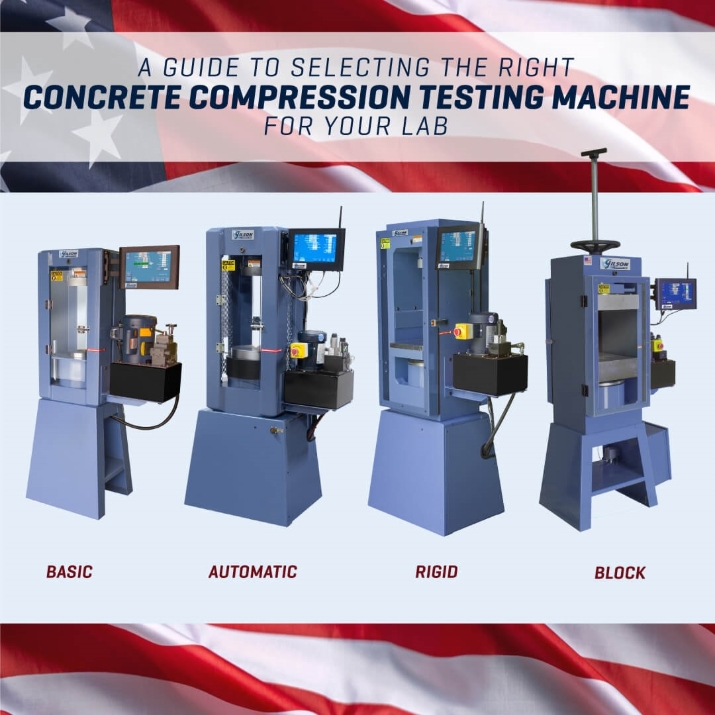
The right Concrete Compression Testing Machine will shape the overall success of your concrete testing. In this guide, we explain the different machines available and how to determine the best option for your lab.
Continue Reading A Guide to Selecting the Right Concrete Compression Testing Machine for Your Lab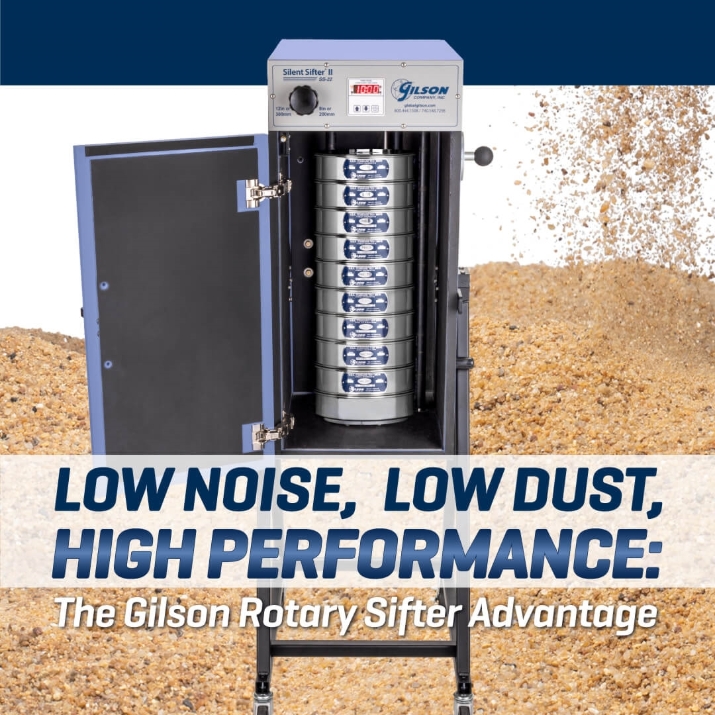
For decades, rotary sifters have served as a reliable and efficient unit for particle sizing operations. Learn about the different types of rotary sifters available and how Gilson's design philosophy helped shape more advanced units that suppress noise and dust.
Continue Reading Low Noise, Low Dust, High Performance: The Gilson Rotary Sifter Advantage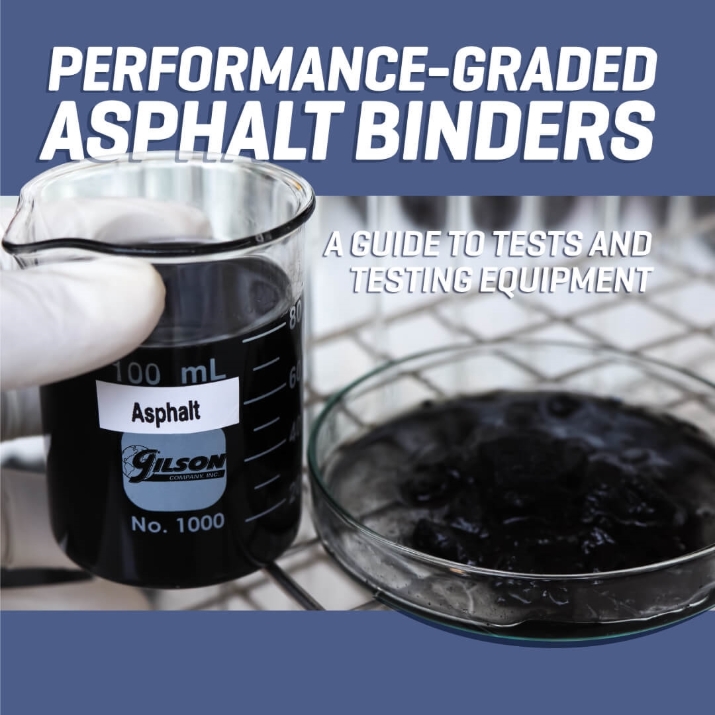
Knowing how to properly test and verify asphalt binders is essential to understanding how asphalt will react to various climate conditions. This guide covers the methods used to classify asphalt binders and how to perform these tests to ensure optimal pavement performance and longevity.
Continue Reading Performance-Graded Asphalt Binders: A Guide to Tests and Testing Equipment
For this blog article, we will look at the use of brass for weaving the mesh of laboratory test sieves and how stainless steel has become a more efficient and cost-effective mesh material.
Continue Reading Brass or Stainless Steel Test Sieves: That Was Then, This Is Now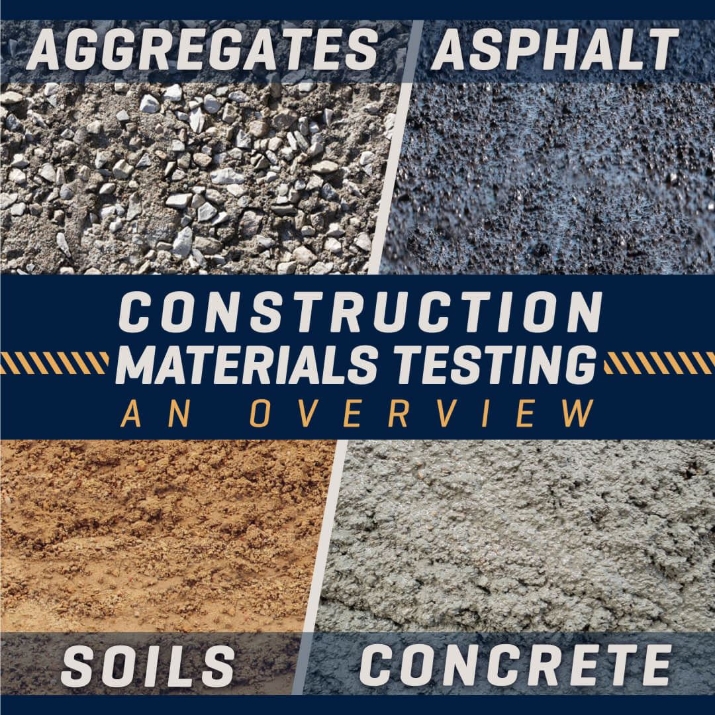
The term construction materials testing sounds like a catch-all term for analyzing everything from nails to doorknobs. However, for the civil engineering industry, it has come to mean the characterization of a handful of things by using specific test methods in a construction materials testing laboratory: concrete, aggregates, asphalt, and soils. This blog will take a high-altitude view of what construction materials are, the most important properties to test for, and the right equipment to get the job done.
Continue Reading Construction Materials Testing: An Overview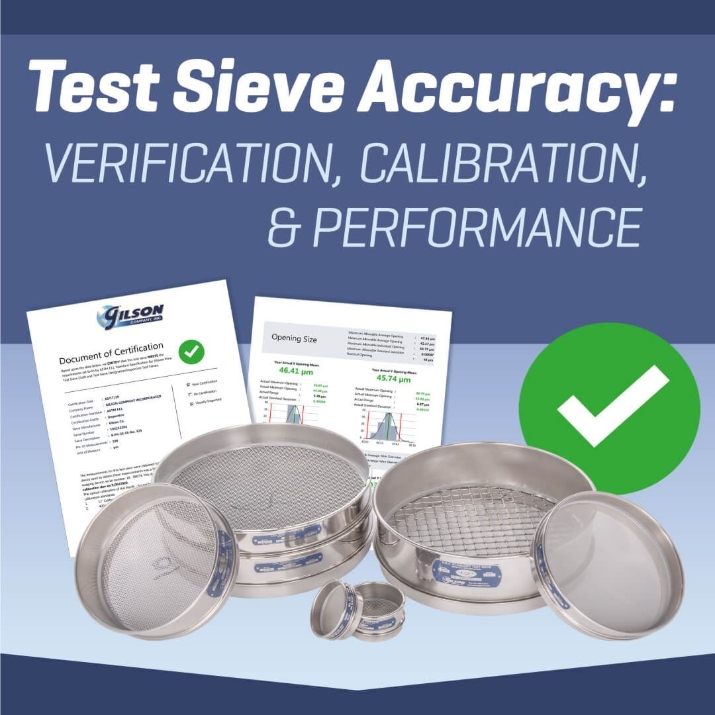
Verification, calibration, and performance tests all contribute to the accuracy of test sieves. Understanding sieve accuracy will ensure you get the information you need out of your test sieves or screen trays.
Continue Reading Test Sieve Accuracy: Verification, Calibration, & Performance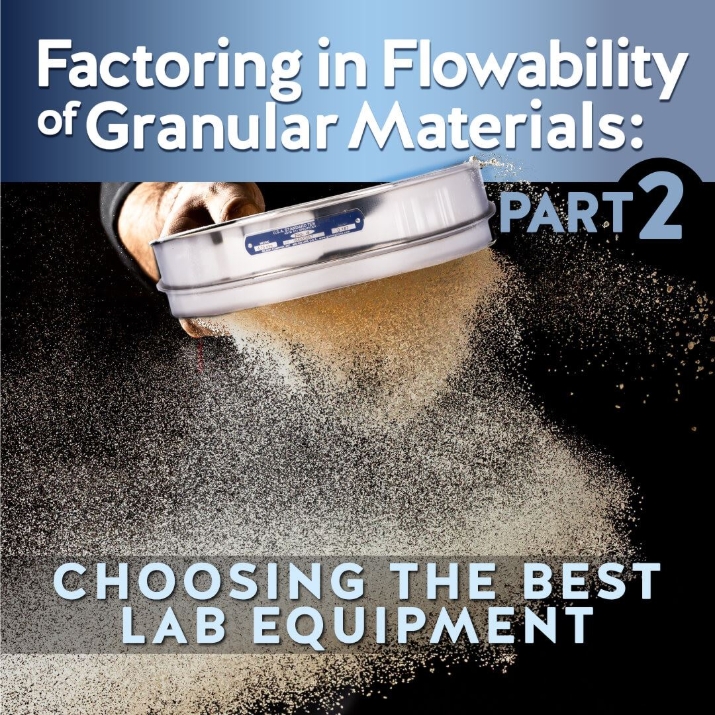
Test methods for dry granular materials must be built around the flowability of the material. No sampling, sizing, or handling method can be performed accurately or efficiently if it does not work in harmony with the material's flow properties.
Continue Reading Factoring in Flowability of Granular Materials: Sieving and Sizing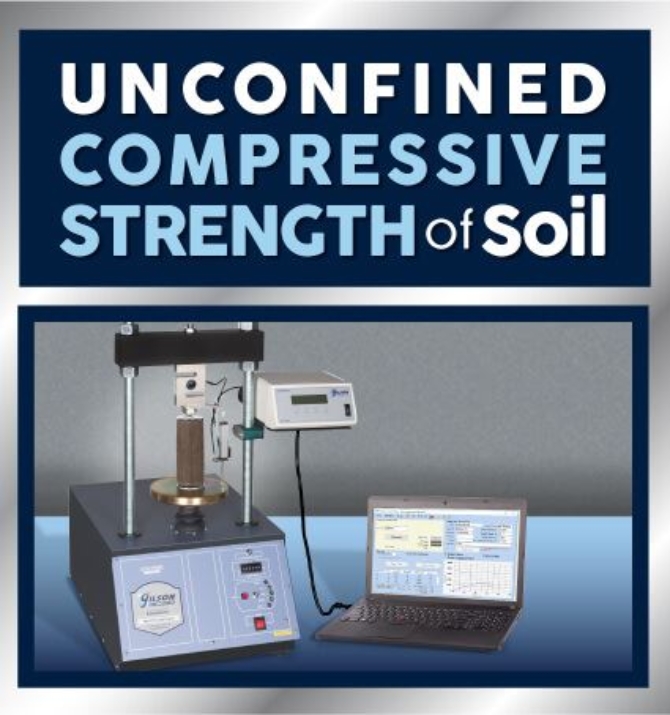
Unconfined compressive strength is a standard geotechnical test performed on cohesive soil samples in construction materials testing laboratories. Straightforward sample preparation and a rapid, uncomplicated procedure makes unconfined compression tests cost-effective when fundamental strength values are adequate for design.
Continue Reading Unconfined Compressive Strength of Soil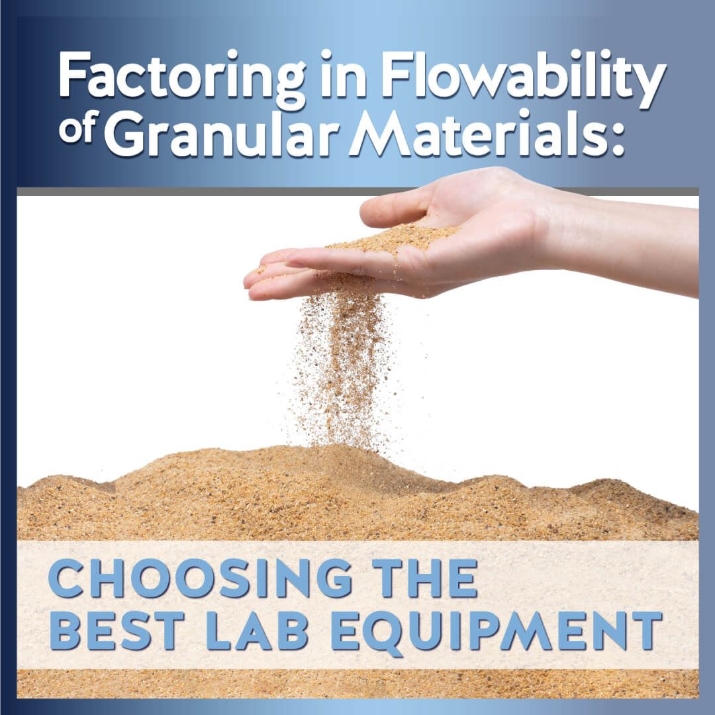
Every stage of sampling, dividing, and testing granular material is affected by its flow properties. Understanding a particular material and the unique factors that impact its flowability increases the efficiency and accuracy of your laboratory testing and can even help control your budget. In this article, we discuss what equipment is best suited for your testing application.
Continue Reading Factoring in Flowability of Granular Materials: Choosing the Best Lab Equipment


