

CONTACT & SUPPORT
Have Questions? Contact Us.

Have questions about your materials testing equipment? We have the answers to these questions and much more right here! Check back monthly for long-form blog posts, how-to guides, and more. We’ll address industry insights, the operation and maintenance of specific equipment, and our product line recommendations, all designed to better serve you.
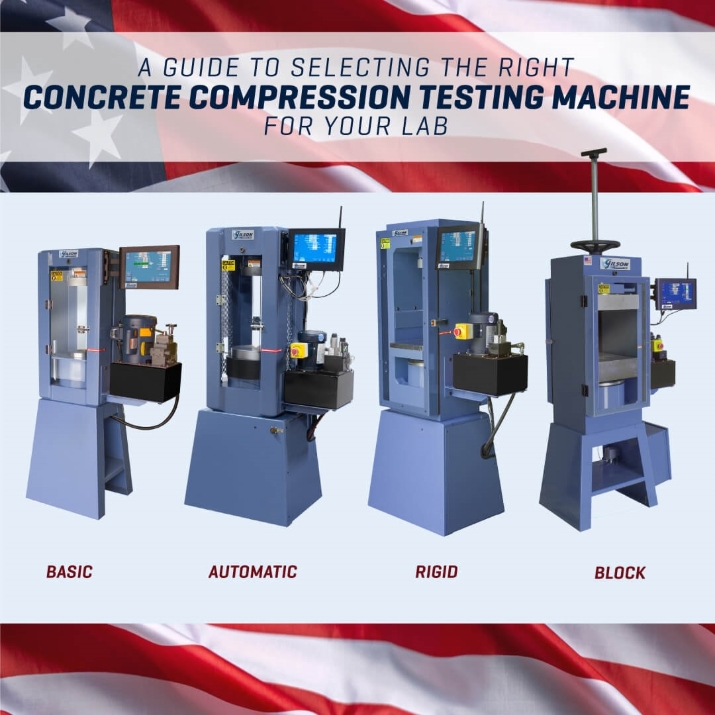
The right Concrete Compression Testing Machine will shape the overall success of your concrete testing. In this guide, we explain the different machines available and how to determine the best option for your lab.
Continue Reading A Guide to Selecting the Right Concrete Compression Testing Machine for Your Lab
For this blog article, we will look at the use of brass for weaving the mesh of laboratory test sieves and how stainless steel has become a more efficient and cost-effective mesh material.
Continue Reading Brass or Stainless Steel Test Sieves: That Was Then, This Is Now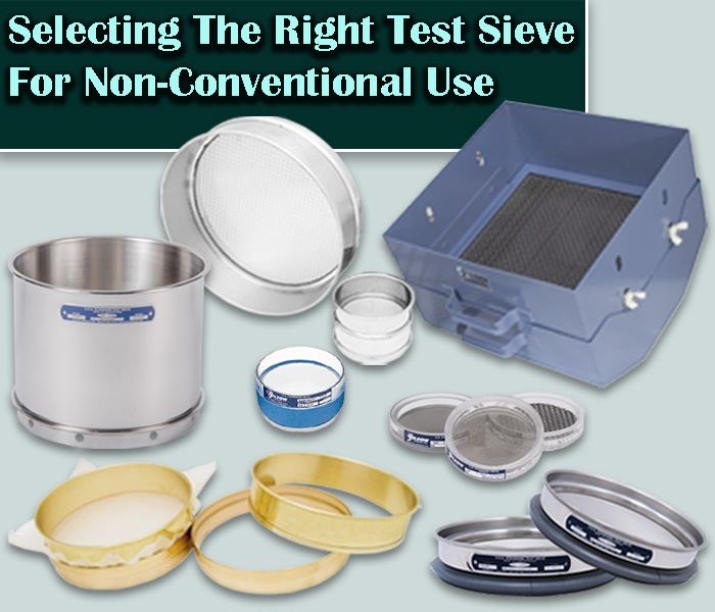
Testing sieves are not a one-size-fits-all product in materials testing. They should be selected based on application, compliance standards, sample composition, level of precision required and more.
Continue Reading Selecting the Right Test Sieve for Non-Conventional Use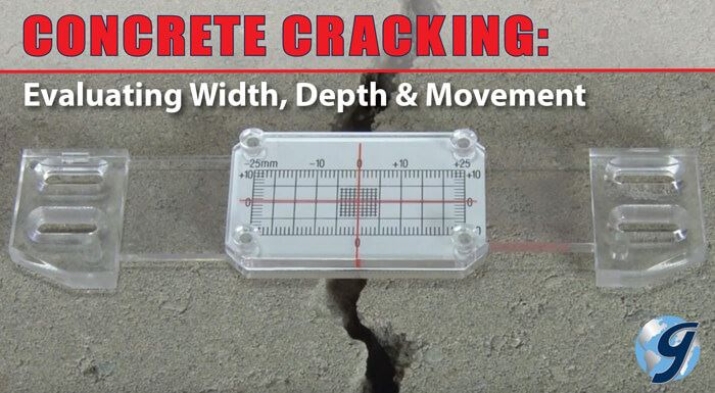
Cracks in concrete are so common that they're practically inevitable. The good news is, not all of them are bad. The bad news is, sometimes it's hard to tell the difference. In this blog post, we will discuss how best to measure and monitor cracks and select the best equipment for the job.
Continue Reading Concrete Crack Measurement Techniques and Equipment to Use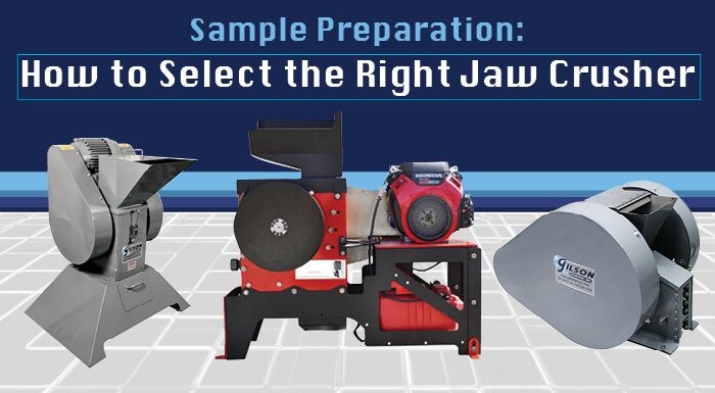
The selection of the best jaw crusher for your application will naturally be governed by the particle size, volume, and properties of your bulk material, along with the desired particle size and quantity of the final sample. In this blog, we help you select the right jaw crusher for your testing application.
Continue Reading How to Select the Right Jaw Crusher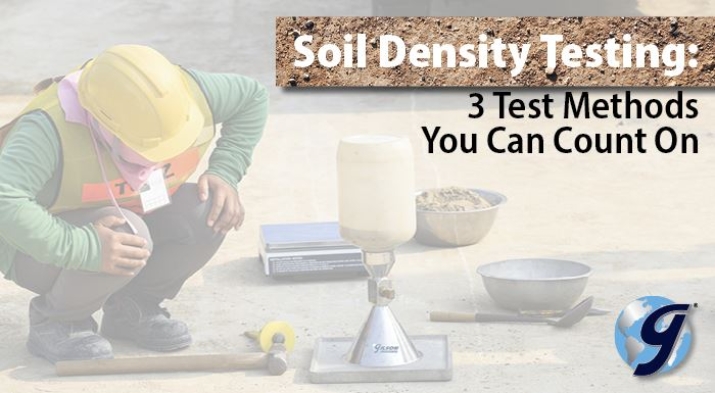
Proper soil compaction increases strength and stability resulting in successful structures and pavements. This blog will discuss the various means of testing soil compaction, which methods are suitable for your project, and the importance of having the right personnel in place.
Continue Reading Soil Density Testing: 3 Test Methods You Can Count On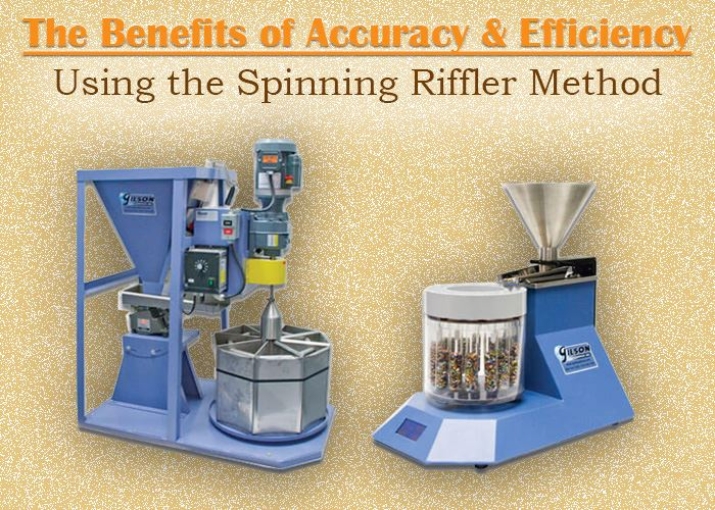
Do you know when a spinning riffler or rotary sample divider should be your go-to sample divider for the most accurate representative samples?
Continue Reading Benefits of Accuracy and Efficiency Using The Spinning Riffler Method
This blog post discusses the differences between Liquid in Glass (LiG) mercury, LiG non-mercury, and digital thermometers used in laboratory materials testing. It also explores the role each type of thermometer plays in maintaining compliance with industry standards and regulations governing the use of mercury.
Continue Reading Choosing the Correct Laboratory Thermometer for your Application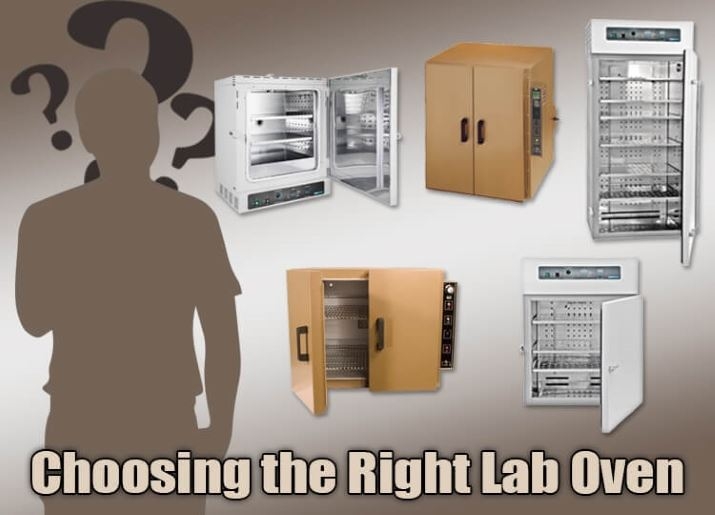
This blog post lays out some of the most important features to consider when you're looking for an oven for aggregate, soils, concrete or asphalt testing.
Continue Reading Choosing the Right Lab Oven


