

CONTACT & SUPPORT
Have Questions? Contact Us.

Have questions about your materials testing equipment? We have the answers to these questions and much more right here! Check back monthly for long-form blog posts, how-to guides, and more. We’ll address industry insights, the operation and maintenance of specific equipment, and our product line recommendations, all designed to better serve you.
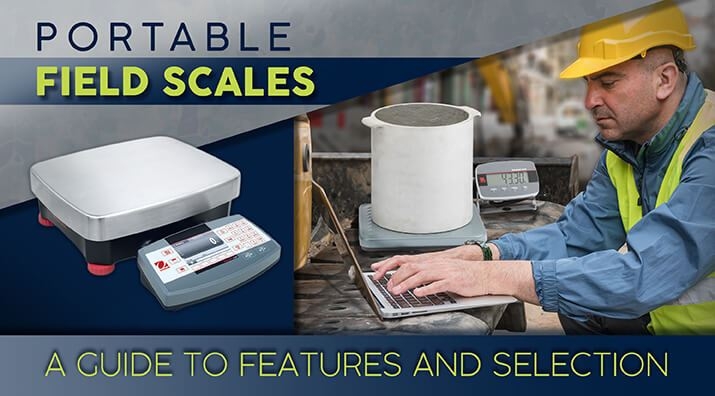
Some test methods must be performed on the spot to ensure that the best products are being produced or placed following specified procedures. Portable weighing devices are especially important to operate accurately and conveniently in remote locations. In this blog post, we'll discuss what to look for when choosing one.
Continue Reading Portable Field Scales: A Guide to Features and Selection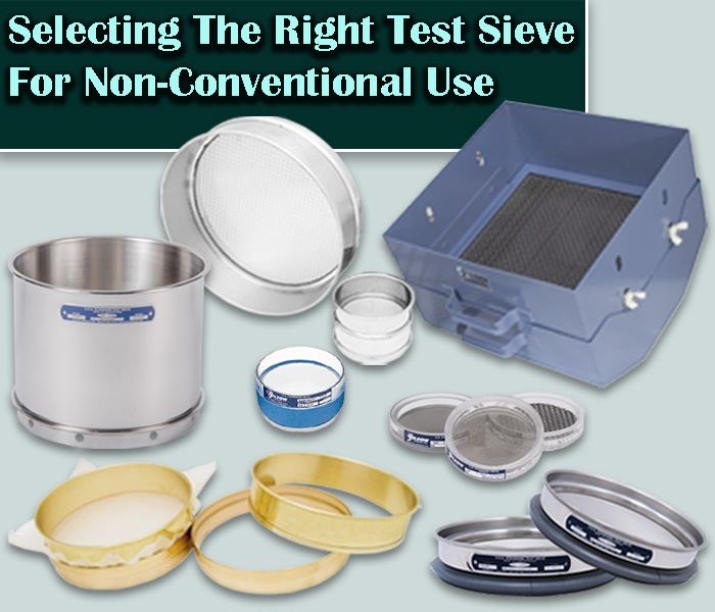
Testing sieves are not a one-size-fits-all product in materials testing. They should be selected based on application, compliance standards, sample composition, level of precision required and more.
Continue Reading Selecting the Right Test Sieve for Non-Conventional Use
In this blog, it will discuss setting up and furnishing temporary field-testing labs with essential laboratory equipment. Field labs are generally limited to a few particular tests, but no matter the material, most require the same essentials to measure properties like size, weight, and moisture.
Continue Reading How To Set Up A Field Lab For Construction Materials Testing: The Essentials
Test sieves are an efficient, productive, and economical means of characterizing the gradation of dry granular materials. However, the sieving method is not without limitations. If obstacles seem to be making it difficult to produce accurate, repeatable results for finer sizes, Sonic Sieving may be the answer.
Continue Reading Sonic Sieving: The Solution for Particle Size Problems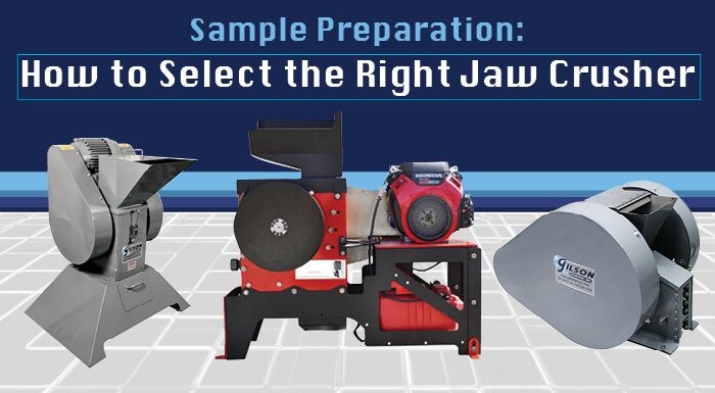
The selection of the best jaw crusher for your application will naturally be governed by the particle size, volume, and properties of your bulk material, along with the desired particle size and quantity of the final sample. In this blog, we help you select the right jaw crusher for your testing application.
Continue Reading How to Select the Right Jaw Crusher
High decibel levels can potentially be a dangerous element in your materials testing lab. In part two of our special series on workplace safety, you'll discover some of the best ways to reduce noise levels during testing.
Continue Reading Dust and Noise: Can Better Equipment Help? Part 2: Noise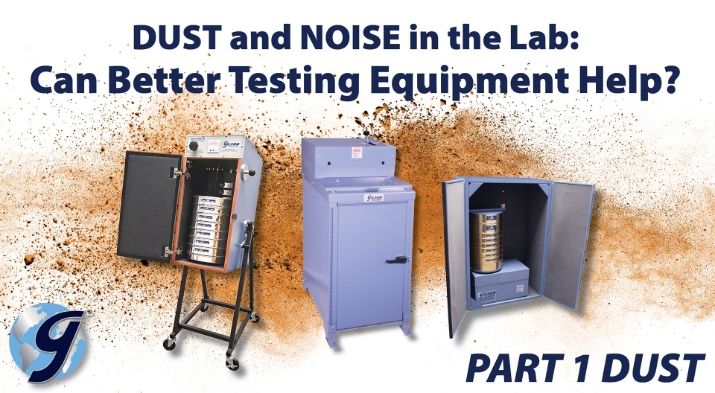
In part one of our special series on workplace safety, we take a look at how advances in materials testing equipment are minimizing potentially harmful exposure to dust in the lab.
Continue Reading Dust and Noise: Can Better Testing Equipment Help? Part 1 Dust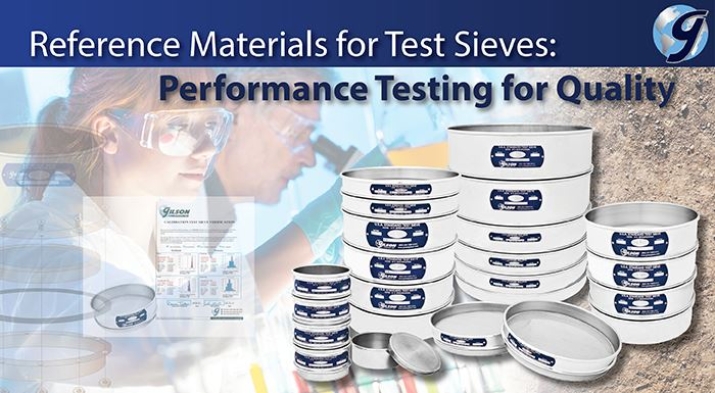
Reference materials for test sieves are used to evaluate and help ensure continued quality performance of sieves in compliance with ASTM or ISO standards. Sieve Verification Services provide further assurance of compliance through laboratory optical or microscopic examination.
Continue Reading Reference Materials for Test Sieves: Performance Testing for Quality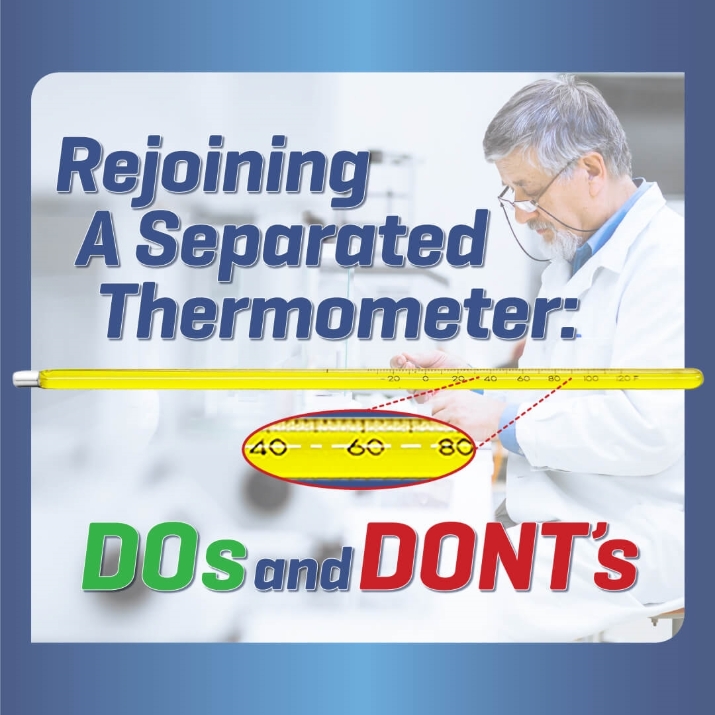
Mercury or indicating fluid separations can occur in the columns of mercury-in-glass thermometers, as well as in non-mercury thermometers. With expertise, caution and strict adherence to safety measures, the separated fluid can often be rejoined in the column by following some specific methods developed by others.
Continue Reading Rejoining A Separated Thermometer: 6 Dos and Don’ts


