

CONTACT & SUPPORT
Have Questions? Contact Us.

Have questions about your materials testing equipment? We have the answers to these questions and much more right here! Check back monthly for long-form blog posts, how-to guides, and more. We’ll address industry insights, the operation and maintenance of specific equipment, and our product line recommendations, all designed to better serve you.

Placing concrete in extreme heat presents a unique set of challenges. High temperatures can affect the concrete mixture and disrupt every stage of placement, from transport to curing. Read our latest blog to learn what measures you can take to protect your concrete and maintain quality in high-temperature conditions.
Continue Reading Placing Concrete in Hot Weather: What to Be Aware of
Concrete is a versatile material used in countless applications, but even the best pours can crack. Learn what causes concrete to crack, which cracks are harmless and which are serious, and the steps you can take to track and prevent damage, keeping your concrete strong for years to come.
Continue Reading Cracks in Concrete: An Overview
Concrete maturity testing provides real-time insight into strength development, helping construction teams make safer, faster decisions. Learn how maturity methods work, how they compare to traditional cylinder testing, and how modern monitoring systems streamline strength estimation.
Continue Reading Concrete Maturity: A Window into Strength Development
Through the Federal Highway Administration Mobile Concrete Technology Center, concrete testing, equipment, and educational opportunities are delivered nationwide. Learn more about this mobile concrete lab and its initiatives in our latest blog.
Continue Reading The FHWA Mobile Concrete Technology Center: Putting Innovation into Practice
Gilson Guardian makes it possible to track concrete specimens from curing through completion. Learn how one program can enhance your lab's concrete testing programs.
Continue Reading Gilson Guardian: One Inclusive Platform for Concrete Inspection, Testing, and Reporting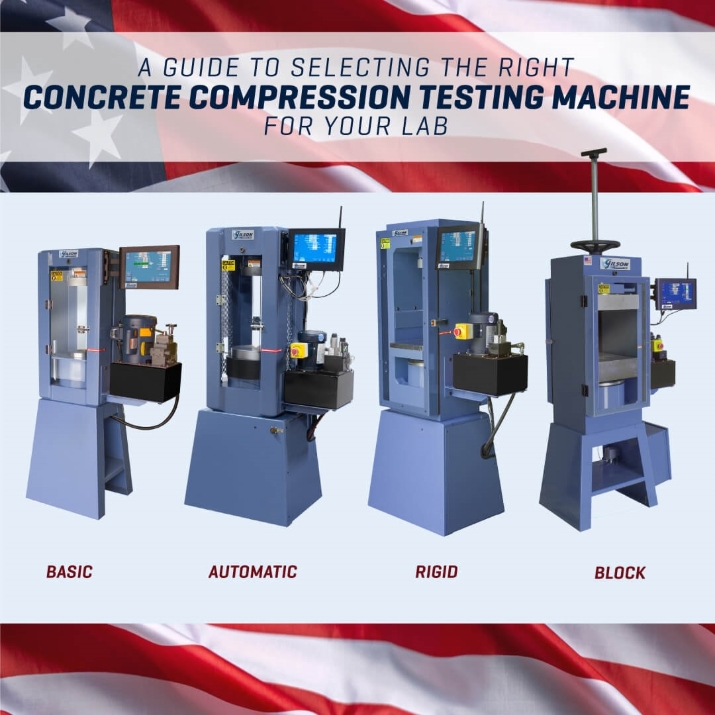
The right Concrete Compression Testing Machine will shape the overall success of your concrete testing. In this guide, we explain the different machines available and how to determine the best option for your lab.
Continue Reading A Guide to Selecting the Right Concrete Compression Testing Machine for Your Lab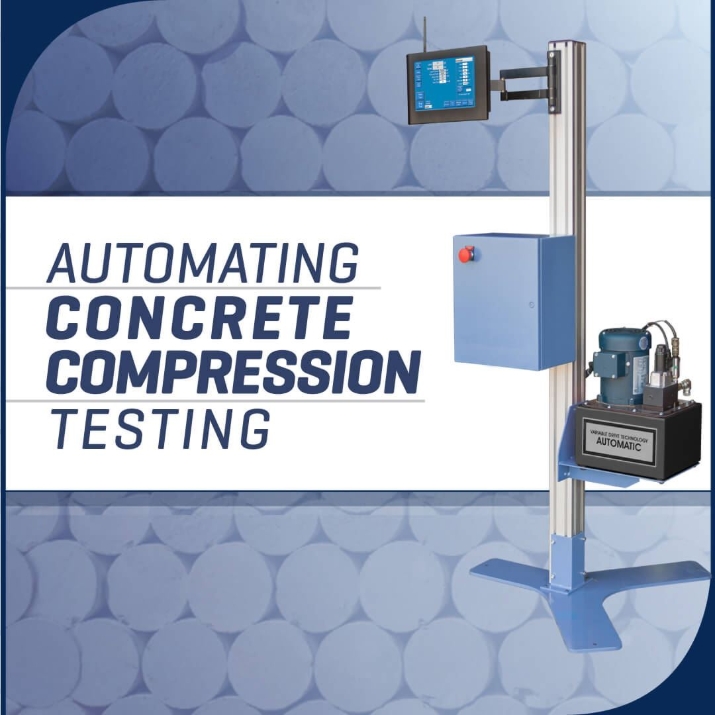
Increase the overall performance of your basic or manual concrete compression testing machine by upgrading to automatic operation with an Automatic Controller Retrofit. Learn more about the benefits of automatic operation and see how easy it is to install a Retrofit to your existing compression machine.
Continue Reading Automating Concrete Compression Testing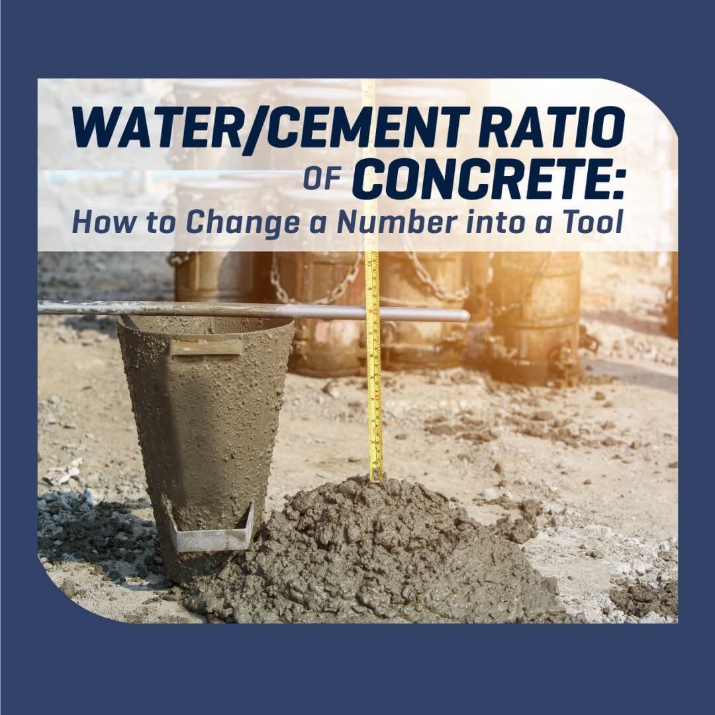
More than a century ago, Duff Abrams established a simple ratio to define the strength, quality, and workability of concrete mixtures. The water to cementitious material (w/cm) ratio is universally used in mixture design and batching, but accurate determinations for on-site acceptance of fresh concrete have remained elusive until now. The Phoenix method provides accurate and repeatable w/cm measurements in the lab or field in minutes.
Continue Reading Water/Cement Ratio of Concrete: How to Change a Number into a Tool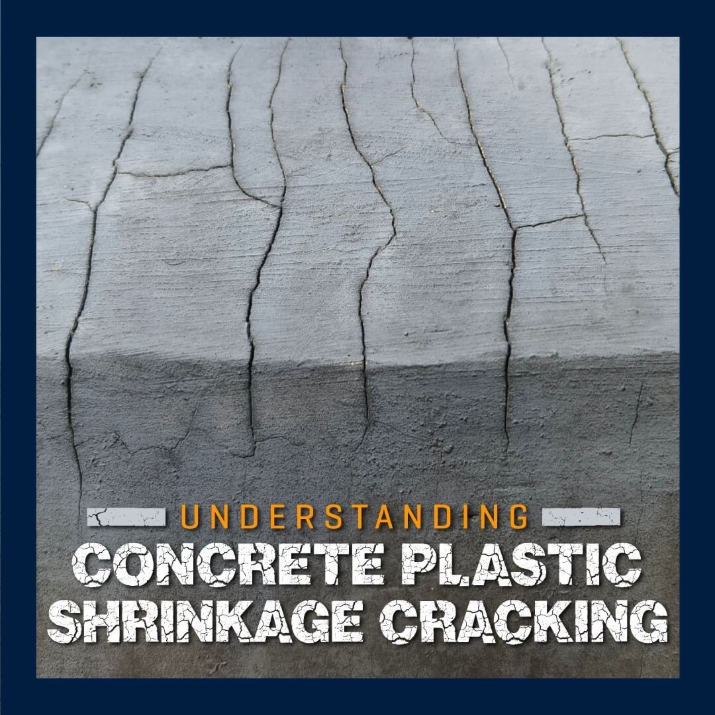
If surface moisture evaporates from freshly poured concrete too quickly, the concrete surface dries out and plastic shrinkage cracking can occur. Learn how to monitor and mitigate plastic shrinkage for optimum concrete results.
Continue Reading Understanding Concrete Plastic Shrinkage Cracking


