

CONTACT & SUPPORT
Have Questions? Contact Us.

Have questions about your materials testing equipment? We have the answers to these questions and much more right here! Check back monthly for long-form blog posts, how-to guides, and more. We’ll address industry insights, the operation and maintenance of specific equipment, and our product line recommendations, all designed to better serve you.
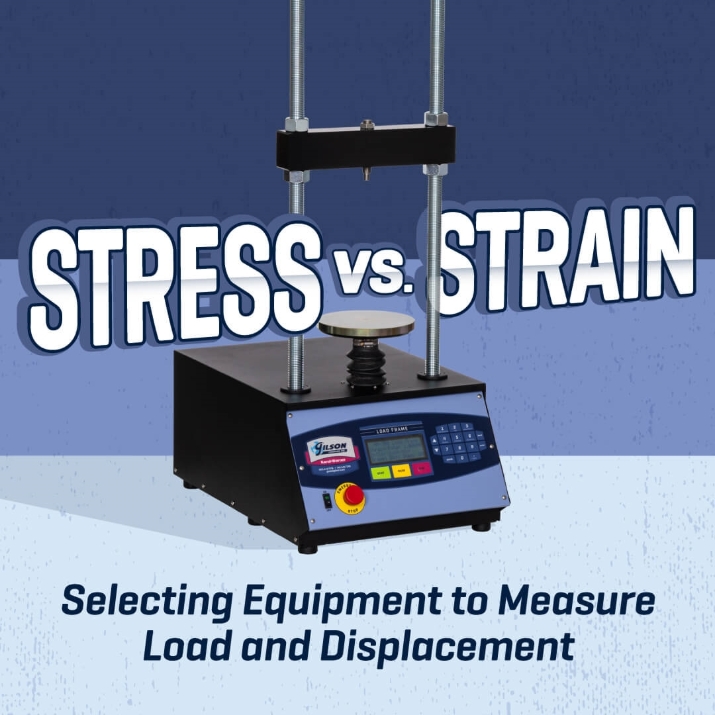
Knowing how to determine stress versus strain is central to almost any strength assessment performed in a construction materials testing lab. In this blog, we explore the various the test methods and instruments available for measuring load and displacement.
Continue Reading Stress vs. Strain: Selecting Equipment to Measure Load & Displacement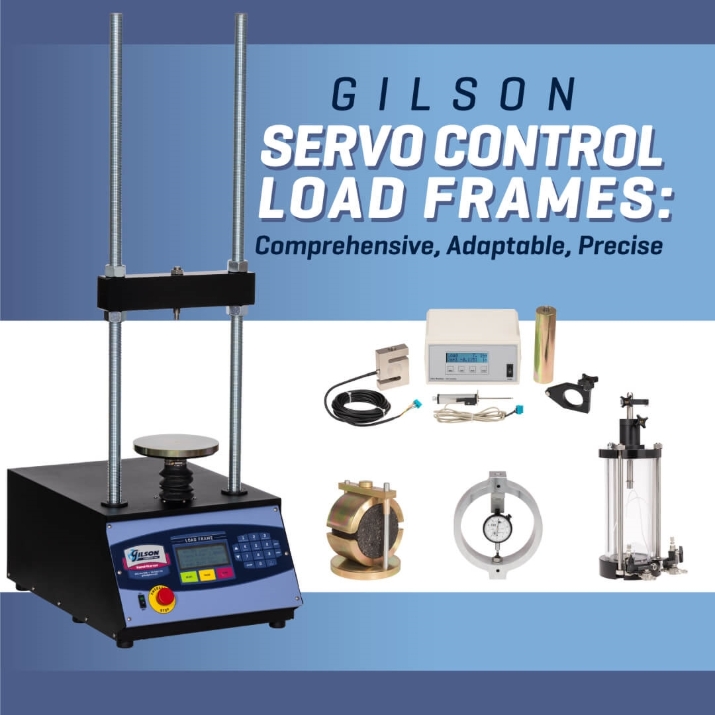
Laboratory load frames perform multiple test methods on a variety of soil, asphalt, and cement materials simply by changing prescribed components used for load and distance measurements. This blog post introduces Gilson's innovative Servo Control Load Frames and explores important considerations for selection of a suitable load frame and testing components for your applications.
Continue Reading Gilson Servo Control Load Frames: Comprehensive, Adaptable, Precise
For this blog article, we will look at the use of brass for weaving the mesh of laboratory test sieves and how stainless steel has become a more efficient and cost-effective mesh material.
Continue Reading Brass or Stainless Steel Test Sieves: That Was Then, This Is Now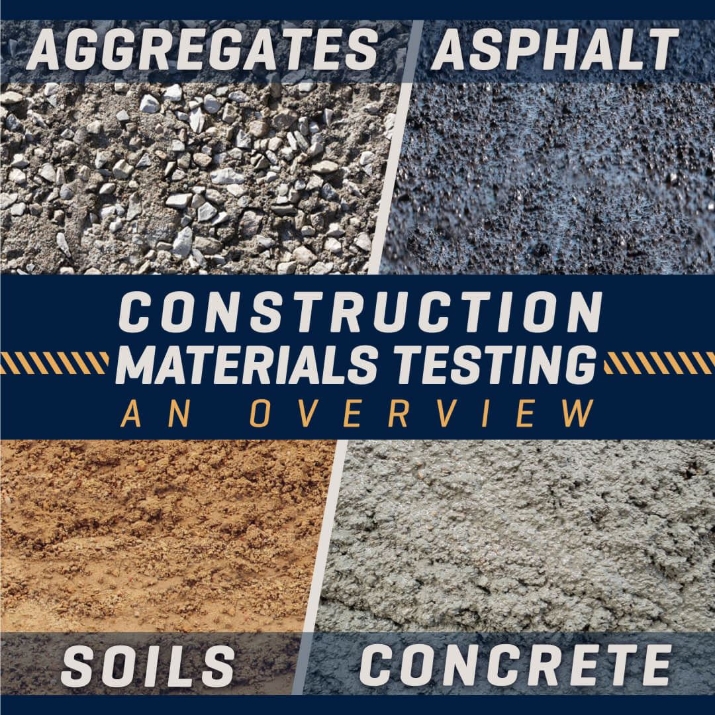
The term construction materials testing sounds like a catch-all term for analyzing everything from nails to doorknobs. However, for the civil engineering industry, it has come to mean the characterization of a handful of things by using specific test methods in a construction materials testing laboratory: concrete, aggregates, asphalt, and soils. This blog will take a high-altitude view of what construction materials are, the most important properties to test for, and the right equipment to get the job done.
Continue Reading Construction Materials Testing: An Overview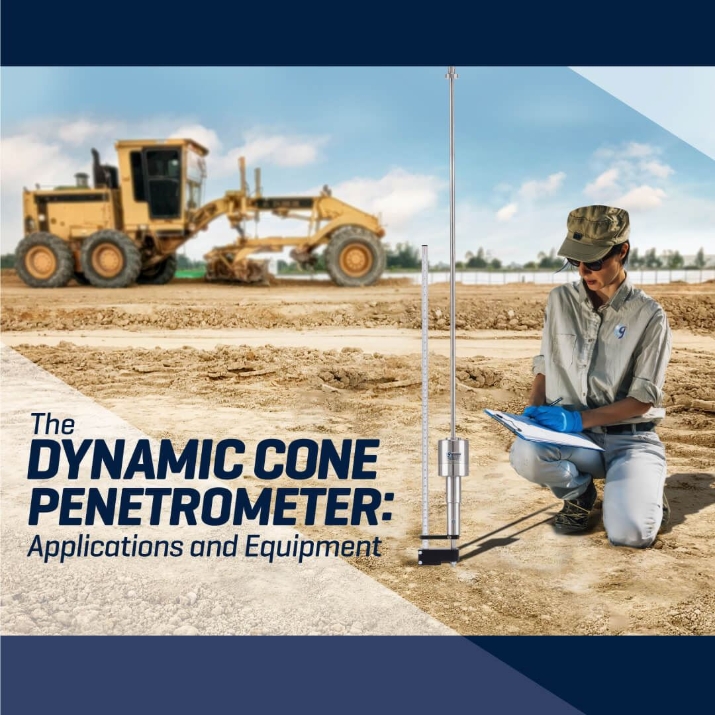
The dynamic cone penetrometer (DCP) is an efficient tool used to perform soil strength assessments of fine-grained soils, pavement base courses, and more. Learn about the advantages of this tool compared to other penetration testing methods and how to perform penetration tests using the dynamic cone penetrometer.
Continue Reading The Dynamic Cone Penetrometer (DCP): Applications and Equipment
If you regularly perform asphalt theoretical maximum specific gravity (Rice) tests, the Gilson Rice Shaker is a time-saving tool to have in your lab. Find out why this unit is the key to determining accurate specific gravity determinations for asphalt, aggregates, and soils.
Continue Reading The Gilson Rice Shaker: A Versatile Tool for Specific Gravity Testing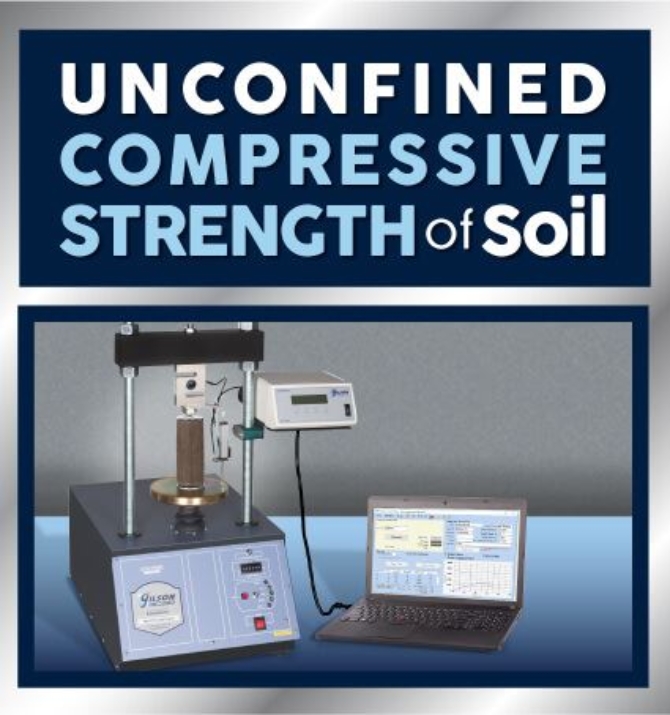
Unconfined compressive strength is a standard geotechnical test performed on cohesive soil samples in construction materials testing laboratories. Straightforward sample preparation and a rapid, uncomplicated procedure makes unconfined compression tests cost-effective when fundamental strength values are adequate for design.
Continue Reading Unconfined Compressive Strength of Soil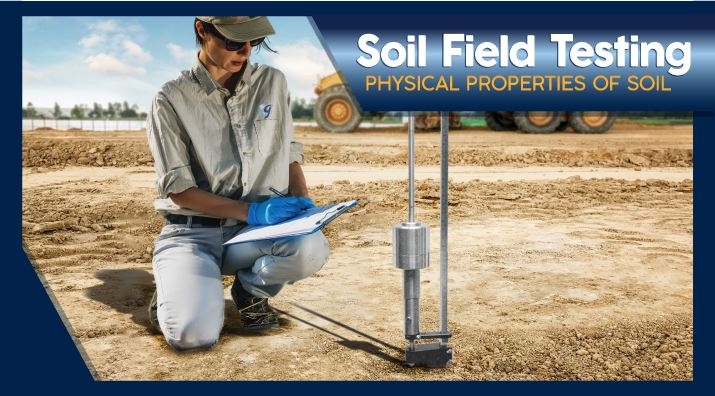
Soil is a natural material and is sometimes employed as a construction material without modification. It is crucial to understand how it performs in its original (in-situ) environment. For this article, we will examine various field tests of soil and the equipment required to perform them.
Continue Reading Soil Field Testing: Physical Properties of Soil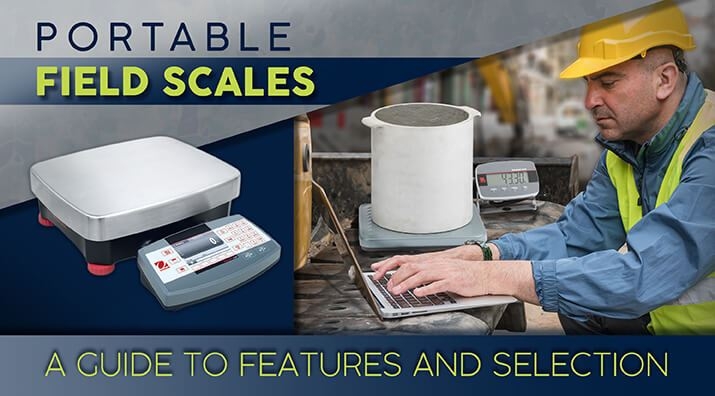
Some test methods must be performed on the spot to ensure that the best products are being produced or placed following specified procedures. Portable weighing devices are especially important to operate accurately and conveniently in remote locations. In this blog post, we'll discuss what to look for when choosing one.
Continue Reading Portable Field Scales: A Guide to Features and Selection


