

CONTACT & SUPPORT
Have Questions? Contact Us.

Have questions about your materials testing equipment? We have the answers to these questions and much more right here! Check back monthly for long-form blog posts, how-to guides, and more. We’ll address industry insights, the operation and maintenance of specific equipment, and our product line recommendations, all designed to better serve you.

Thermal imaging gives inspectors a faster, safer way to evaluate construction materials without causing damage. Learn how infrared cameras reveal temperature differences linked to delamination, voids, moisture, and paving issues, and how thermal imaging can support more efficient NDE and NDT inspections.
Continue Reading Thermal Imaging: A New Way Forward for Nondestructive Evaluation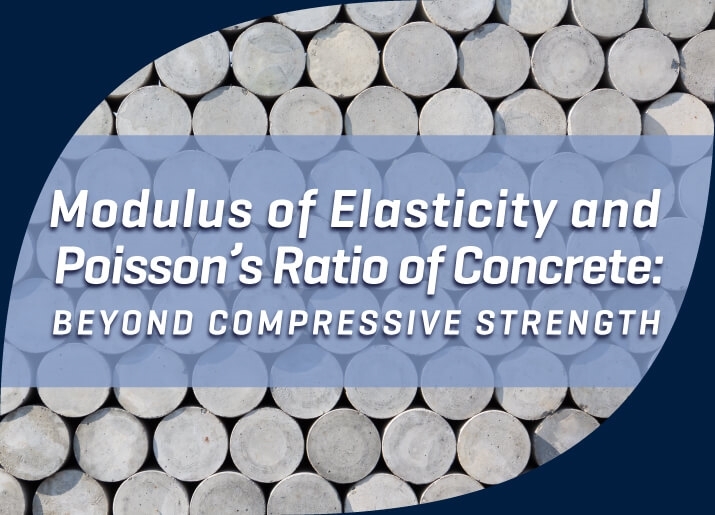
Modulus of Elasticity (MOE) and Poisson's Ratio are concrete compressive strength tests that can be performed using an Automatic Concrete Compression Machine. Learn how these tests are performed in our latest blog.
Continue Reading Modulus of Elasticity & Poisson’s Ratio of Concrete: Beyond Compressive Strength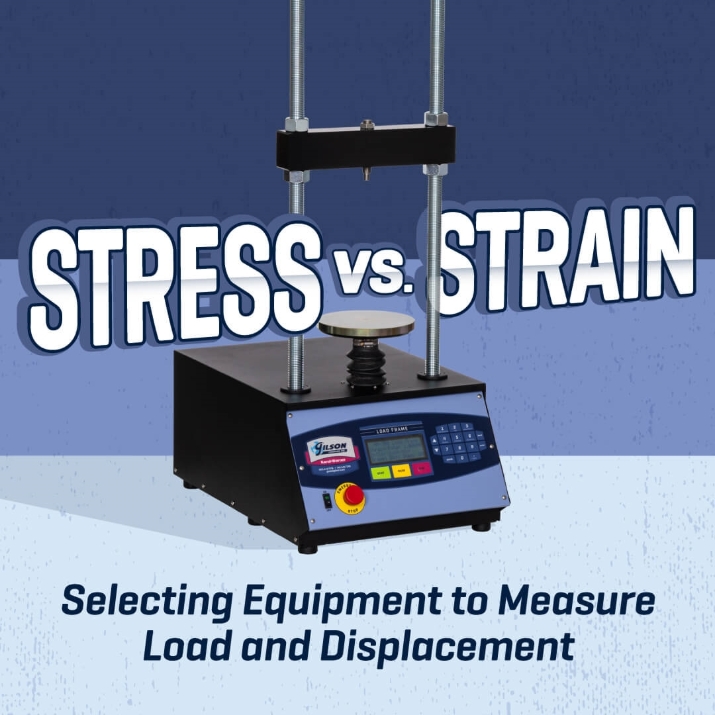
Knowing how to determine stress versus strain is central to almost any strength assessment performed in a construction materials testing lab. In this blog, we explore the various the test methods and instruments available for measuring load and displacement.
Continue Reading Stress vs. Strain: Selecting Equipment to Measure Load & Displacement
Knowing how to properly test and verify asphalt binders is essential to understanding how asphalt will react to various climate conditions. This guide covers the methods used to classify asphalt binders and how to perform these tests to ensure optimal pavement performance and longevity.
Continue Reading Performance-Graded Asphalt Binders: A Guide to Tests and Testing Equipment
More than a century ago, Duff Abrams established a simple ratio to define the strength, quality, and workability of concrete mixtures. The water to cementitious material (w/cm) ratio is universally used in mixture design and batching, but accurate determinations for on-site acceptance of fresh concrete have remained elusive until now. The Phoenix method provides accurate and repeatable w/cm measurements in the lab or field in minutes.
Continue Reading Water/Cement Ratio of Concrete: How to Change a Number into a Tool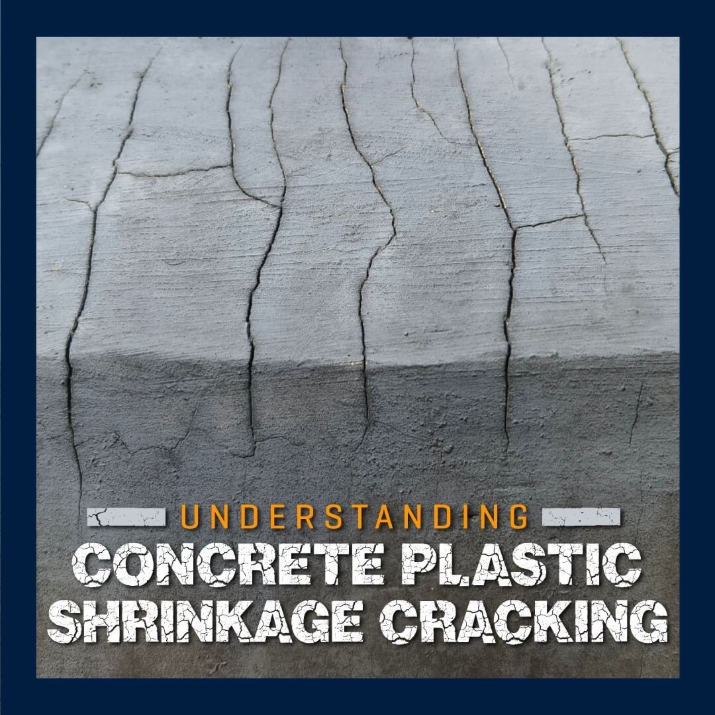
If surface moisture evaporates from freshly poured concrete too quickly, the concrete surface dries out and plastic shrinkage cracking can occur. Learn how to monitor and mitigate plastic shrinkage for optimum concrete results.
Continue Reading Understanding Concrete Plastic Shrinkage Cracking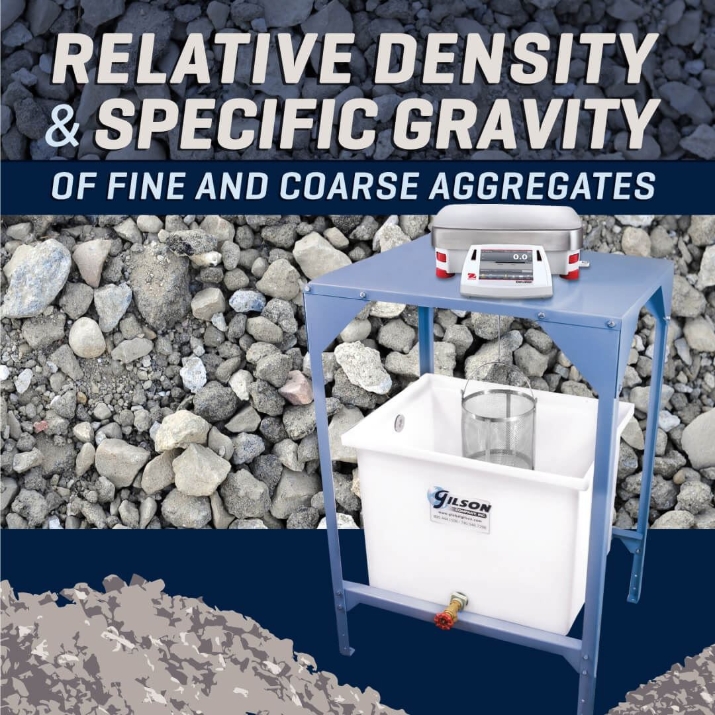
Determining relative density, or specific gravity, allows accurate conversion of volumes to gravimetric weights for proportioning materials. Learn more about relative density/specific gravity test methods and the equipment used to perform this laboratory test.
Continue Reading Relative Density/Specific Gravity of Fine and Coarse Aggregate
While Part 1 of this blog series discussed nondestructive concrete testing methods and equipment, Part 2 will cover equipment used to detect location, orientation, and corrosion of reinforcing steel, the effects of moisture, and how to document concrete quality.
Continue Reading Reinforcing Steel and Concrete Quality for Nondestructive Evaluation The Comprehensive Assessment of Hardened Concrete Series: Part 2 of 2
The dynamic cone penetrometer (DCP) is an efficient tool used to perform soil strength assessments of fine-grained soils, pavement base courses, and more. Learn about the advantages of this tool compared to other penetration testing methods and how to perform penetration tests using the dynamic cone penetrometer.
Continue Reading The Dynamic Cone Penetrometer (DCP): Applications and Equipment


