

CONTACT & SUPPORT
Have Questions? Contact Us.

Have questions about your materials testing equipment? We have the answers to these questions and much more right here! Check back monthly for long-form blog posts, how-to guides, and more. We’ll address industry insights, the operation and maintenance of specific equipment, and our product line recommendations, all designed to better serve you.
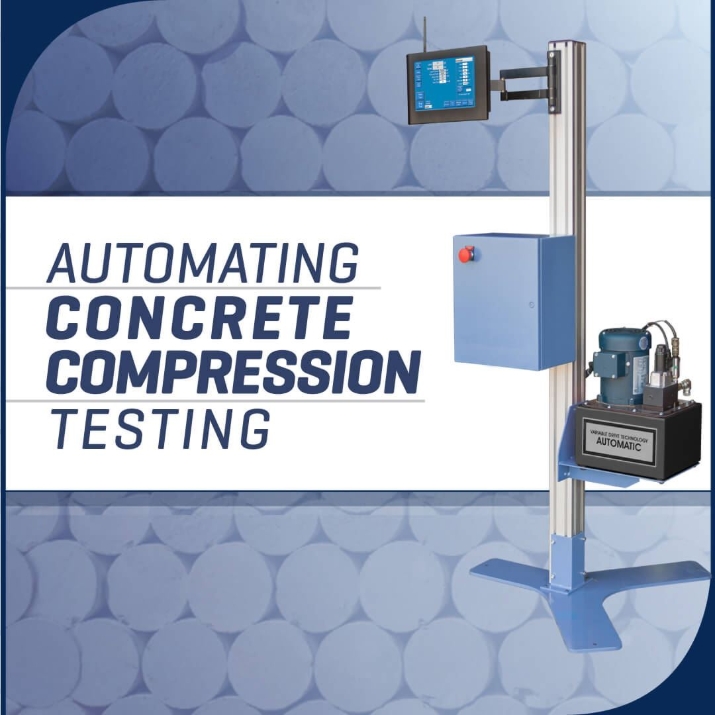
Increase the overall performance of your basic or manual concrete compression testing machine by upgrading to automatic operation with an Automatic Controller Retrofit. Learn more about the benefits of automatic operation and see how easy it is to install a Retrofit to your existing compression machine.
Continue Reading Automating Concrete Compression Testing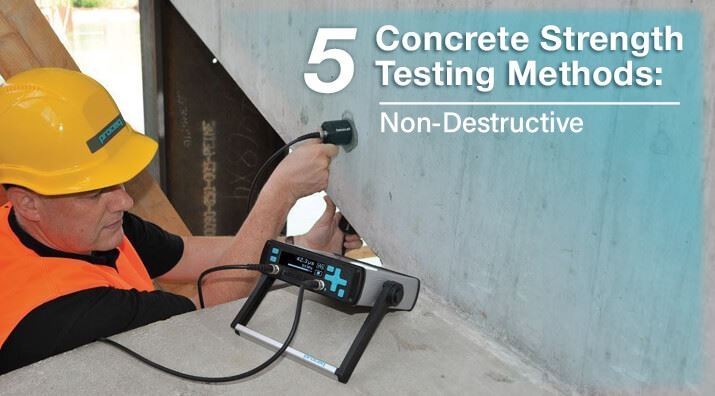
Testing the properties of hardened concrete is central to evaluating a structure, whether it is decades old or still under construction. In-place testing of concrete is a significant part of assessing an existing structure's safety and physical condition for routine maintenance before modifications. This blog post will discuss in-place and nondestructive methods and equipment to measure concrete strength.
Continue Reading 5 Concrete Strength Testing Methods – Non-Destructive
This blog post will focus on the core drilling method and the core sampling equipment. We discuss why and how core samples are taken from asphalt and concrete. Lastly, we touch on some of the different lab tests performed.
Continue Reading Concrete and Asphalt Core Drilling: When, Why, and How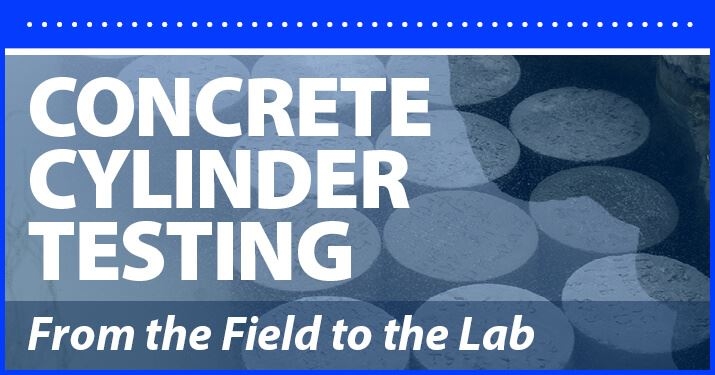
In this month's blog post we will focus on standard-cure cylinders made for compressive strength acceptance testing. Including the importance of cylinder testing, a quick guide on the procedure, and the equipment needed in the field and lab.
Continue Reading Concrete Cylinder Testing - From the Field to the Lab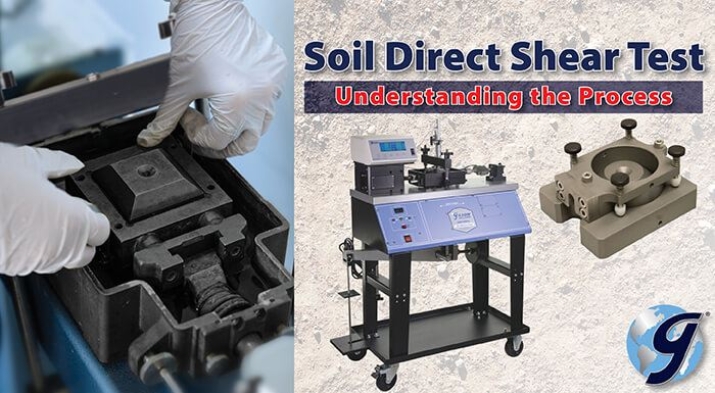
This blog provides an informative guide on why direct shear testing is essential, and we guide you on what equipment you need to perform the test based on ASTM D3080 and AASHTO T 236.
Continue Reading Soil Direct Shear Test: Understanding the Process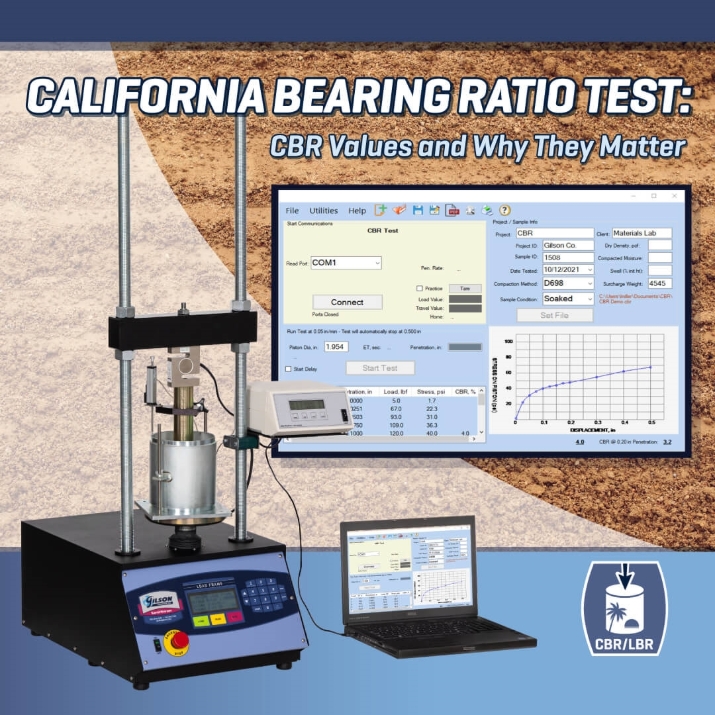
In this blog post we discuss why it is important to perform strength tests of soil subgrades for pavement design, and also review what is needed for each type of test method whether it be in the lab or out in the field including the DCP test.
Continue Reading California Bearing Ratio Test: CBR Values & Why They Matter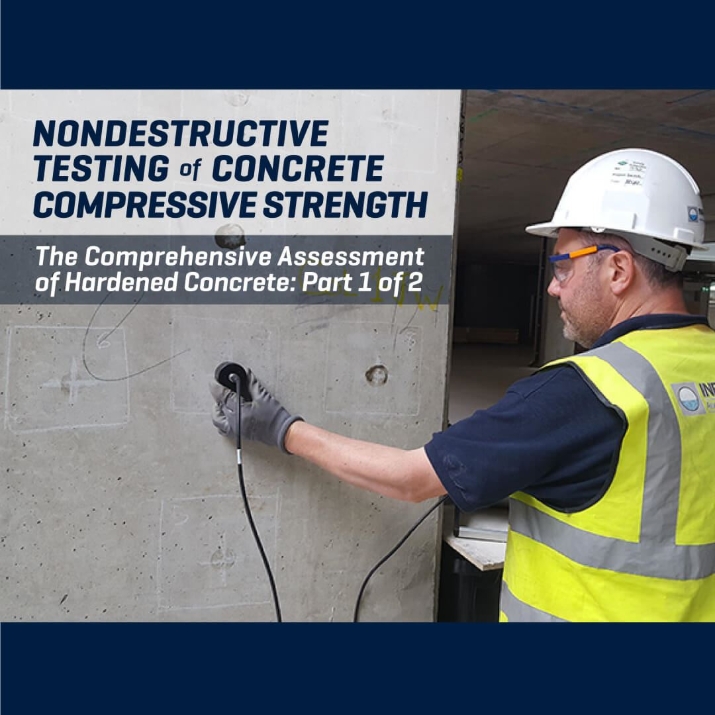
Nondestructive concrete testing determines the quality and properties of hardened concrete to assess its condition and safety. Read this blog to learn about in-place and nondestructive methods and equipment used to measure concrete strength.
Continue Reading Nondestructive Testing of Concrete Compressive Strength: The Comprehensive Assessment of Hardened Concrete Series: Part 1 of 2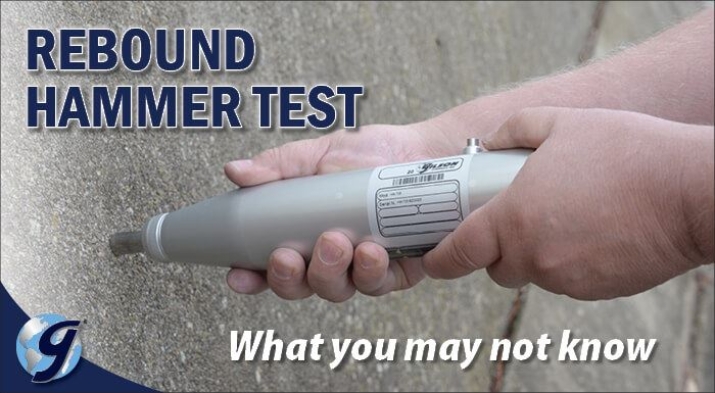
The Concrete Test Hammer is a critical part of your tool kit when assessing potential problems in concrete structures, but it can also create problems if expected to perform beyond its capabilities. This blog post outlines the proper way to use this tool for establishing strength estimates and relationships by comparison.
Continue Reading Rebound Hammer Test: What You May Not Know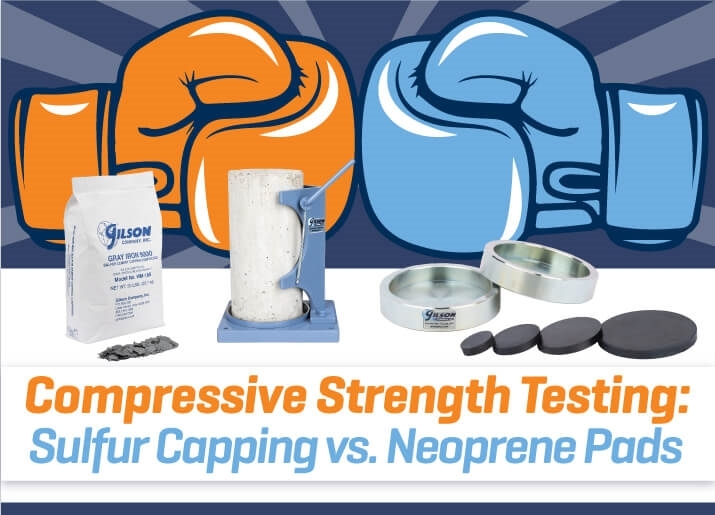
Comparing the differences between sulfur mortar capping and the use of neoprene pads with metal retainer rings will help you select the ideal procedure for your application.
Continue Reading Compressive Strength Testing: Sulfur Capping or Neoprene Pads?


