

CONTACT & SUPPORT
Have Questions? Contact Us.

Have questions about your materials testing equipment? We have the answers to these questions and much more right here! Check back monthly for long-form blog posts, how-to guides, and more. We’ll address industry insights, the operation and maintenance of specific equipment, and our product line recommendations, all designed to better serve you.

Should your lab be accredited? Accreditation builds up your lab's reputation by ensuring accountability and quality control. Learn about accreditation standards and agencies to see which option best suits your lab.
Continue Reading Laboratory Accreditation: Can You Afford Not To?
Through the Federal Highway Administration Mobile Concrete Technology Center, concrete testing, equipment, and educational opportunities are delivered nationwide. Learn more about this mobile concrete lab and its initiatives in our latest blog.
Continue Reading The FHWA Mobile Concrete Technology Center: Putting Innovation into Practice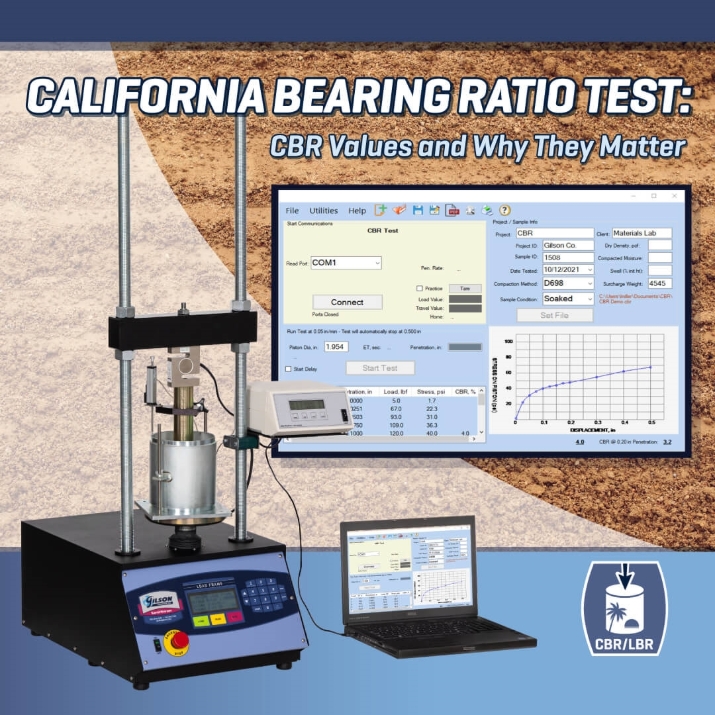
In this blog post we discuss why it is important to perform strength tests of soil subgrades for pavement design, and also review what is needed for each type of test method whether it be in the lab or out in the field including the DCP test.
Continue Reading California Bearing Ratio Test: CBR Values & Why They Matter
Test sieves are an efficient, productive, and economical means of characterizing the gradation of dry granular materials. However, the sieving method is not without limitations. If obstacles seem to be making it difficult to produce accurate, repeatable results for finer sizes, Sonic Sieving may be the answer.
Continue Reading Sonic Sieving: The Solution for Particle Size Problems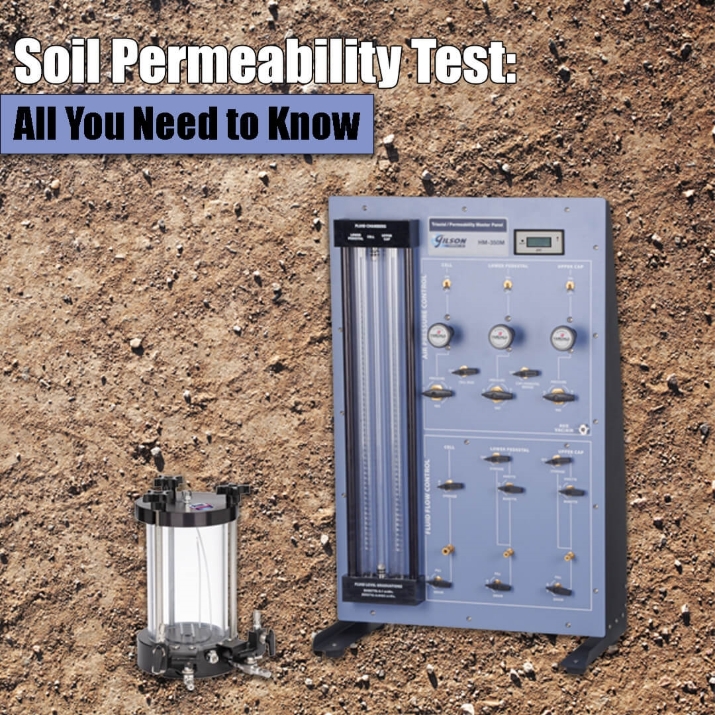
In this blog, we briefly discuss what soil permeability (hydraulic conductivity) is and detail what equipment can be used for a wide array of soil permeability tests.
Continue Reading Soil Permeability Test: All You Need To Know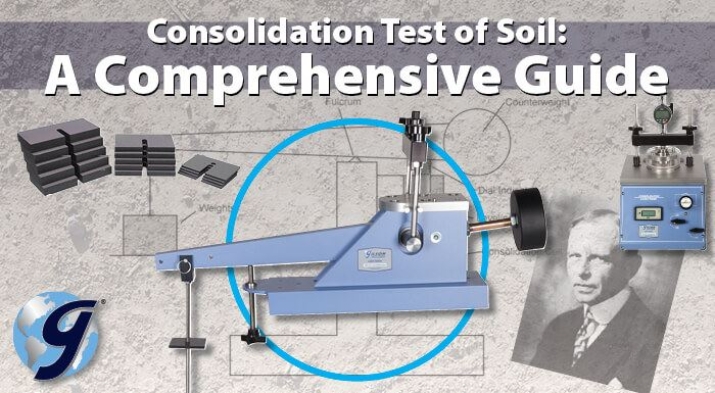
In this blog, we will highlight the range of equipment available to perform this fundamental test method. ASTM test method D2435, and its AASHTO equivalent T 216, are the most common one-dimensional soil consolidation tests carried out today.
Continue Reading Consolidation Test of Soil: A Comprehensive Guide
Mercury or indicating fluid separations can occur in the columns of mercury-in-glass thermometers, as well as in non-mercury thermometers. With expertise, caution and strict adherence to safety measures, the separated fluid can often be rejoined in the column by following some specific methods developed by others.
Continue Reading Rejoining A Separated Thermometer: 6 Dos and Don’ts
Protect and preserve costly equipment purchases through preventive maintenance – and extend their service life and functionality beyond the norm.
Continue Reading Simple Steps to Preserve & Extend Service Life of Costly Equipment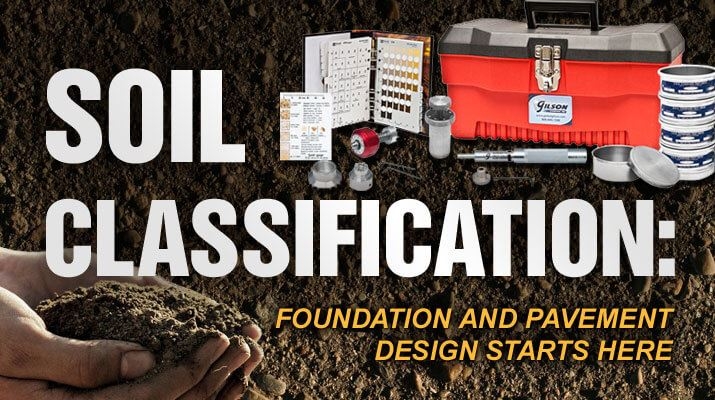
In this blog, we explore the two primary forms of soil classification for geotechnical purposes. Visual and laboratory classifications of soils are two distinct procedures that are part of a complete soils investigation.
Continue Reading Soil Classification: Foundation and Pavement Design Starts Here


