

CONTACT & SUPPORT
Have Questions? Contact Us.

Have questions about your materials testing equipment? We have the answers to these questions and much more right here! Check back monthly for long-form blog posts, how-to guides, and more. We’ll address industry insights, the operation and maintenance of specific equipment, and our product line recommendations, all designed to better serve you.
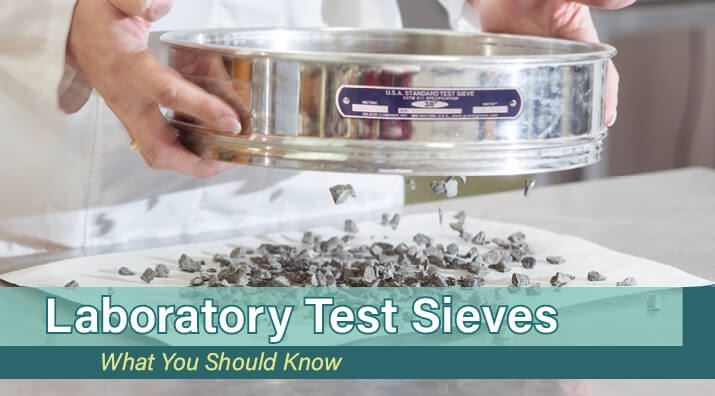
Test sieves are simple devices, but they are still scientific instruments and the most cost-effective and widely used particle sizing and gradation testing method. This blog article will cover the accuracy verification of sieves, agitation and sieve shakers, accessories, and wet-wash sieves.
Continue Reading Laboratory Test Sieves: What You Should Know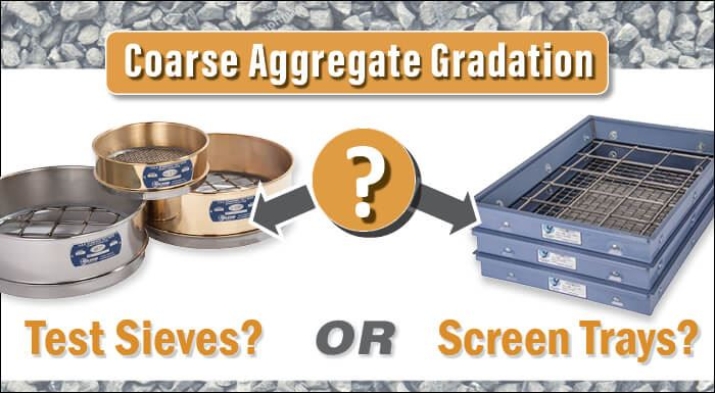
Does the particle size analysis of coarse aggregates always require a testing screen with large screen trays? In a situation where larger testing equipment is not available, there may still be ways to get the job done. Using conventional round test sieves for large particle sizes is less efficient, but still acceptable if done properly. We discuss test requirements, sieve capacities, and tips to help with equipment selection.
Continue Reading Coarse Aggregate Gradation: Test Sieves or Screen Trays?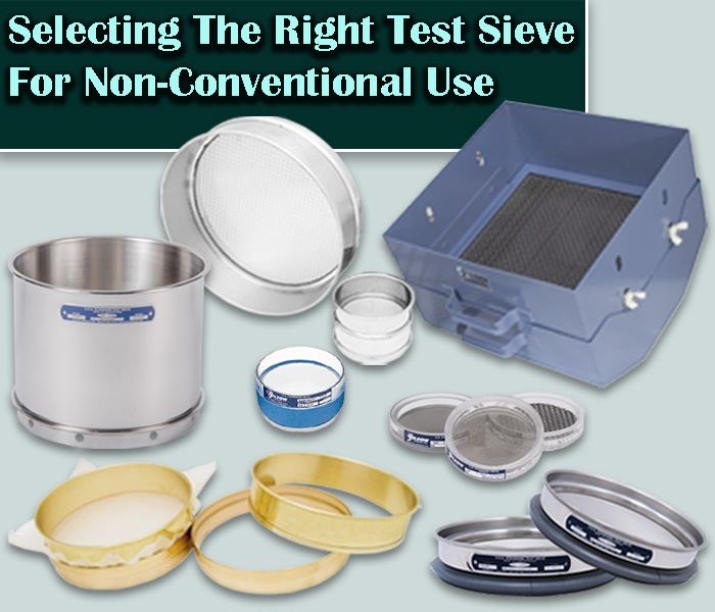
Testing sieves are not a one-size-fits-all product in materials testing. They should be selected based on application, compliance standards, sample composition, level of precision required and more.
Continue Reading Selecting the Right Test Sieve for Non-Conventional Use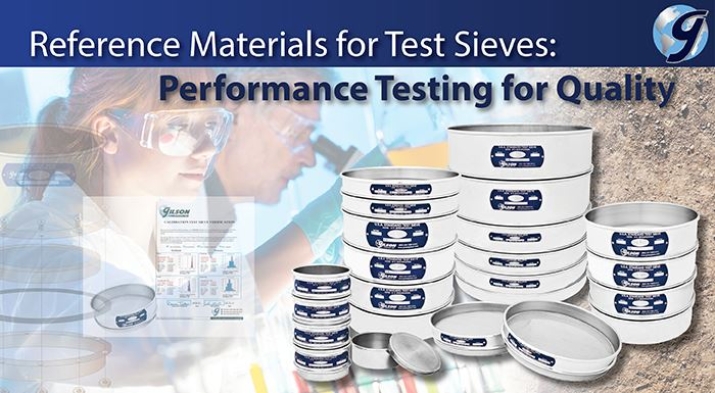
Reference materials for test sieves are used to evaluate and help ensure continued quality performance of sieves in compliance with ASTM or ISO standards. Sieve Verification Services provide further assurance of compliance through laboratory optical or microscopic examination.
Continue Reading Reference Materials for Test Sieves: Performance Testing for Quality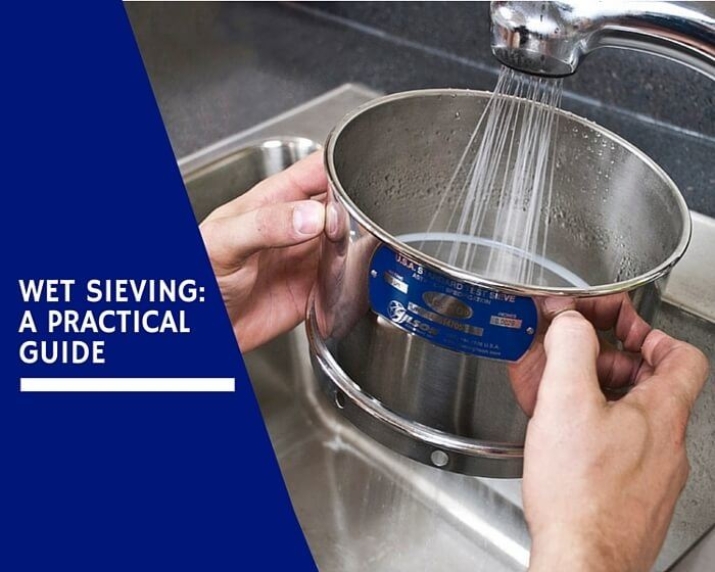
When dry sieving isn't sufficient for producing an acceptable degree of separation between individual fractions of a sample, it's time to try wet sieving. This blog post covers the importance of wet sieving, when it is best used, and recommended equipment for various procedures.
Continue Reading Wet Sieving: A Practical Guide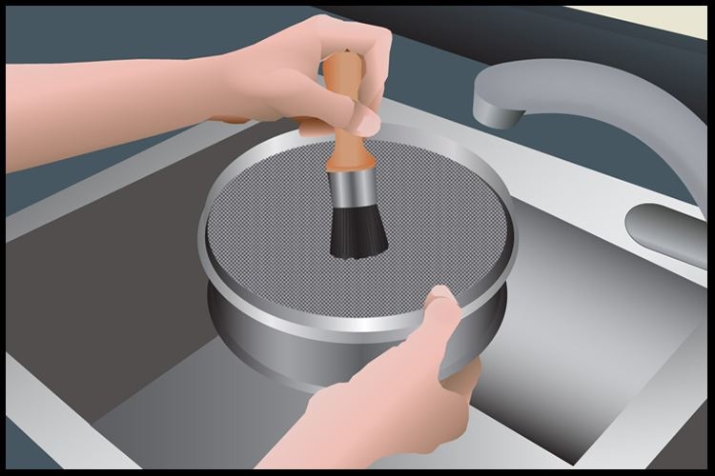
If you want to get optimal use out of your test sieves, you need to take the proper steps when it comes to storing and cleaning them. We've outlined a list of do's and don'ts to follow this Spring so you can make your sieves last longer and retain their accuracy.
Continue Reading Spring Cleaning: How to Clean Your Test Sieves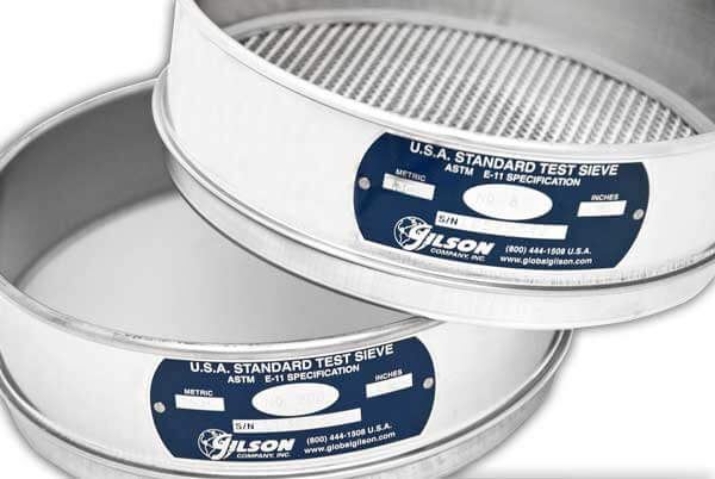
Unsure of when to replace your sieves? The best place to start is with an ongoing, in-house quality control program. Learn how to implement this type of program in five easy steps.
Continue Reading 5 Steps to Setting up a Flawless Quality Control Program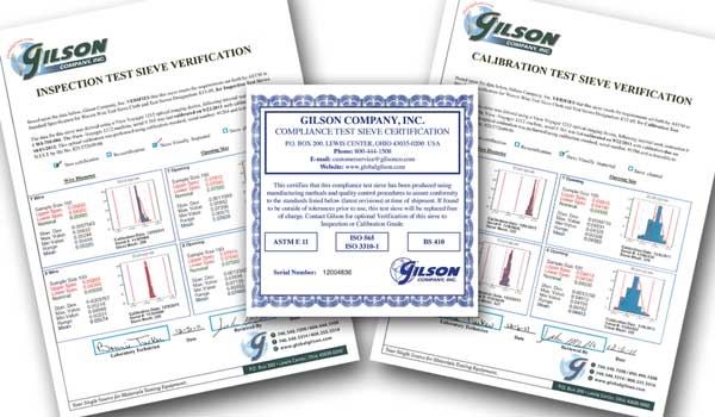
ASTM and ISO feature three levels of verification for measurement of sieve openings and wire diameters to maintain compliance with the set standards of the industry. Here we'll cover Compliance, Inspection and Calibration Test Sieves so you can understand the differences and make the right selection to meet your needs.
Continue Reading A Guide to Acing the Sieve Grade Selection Process


